It is one of the questions brands ask us most: if I commission a commercial made with AI, do I own it? The short answer is that it depends on how it was produced and what the contract says.
This article is for general information and does not constitute legal advice. Consult a professional about your case.
What Spanish law says
Spain’s consolidated Intellectual Property Law (TRLPI) considers the author to be the natural person who creates a work (Art. 5.1). And European case law (CJEU, Infopaq and subsequent cases) requires the work to be original, that is, to reflect the author’s free and creative choices.
The consequence, according to most legal scholars: an output generated autonomously by an AI, without significant human creative input, is unlikely to be a work protected by copyright.
Why human input matters
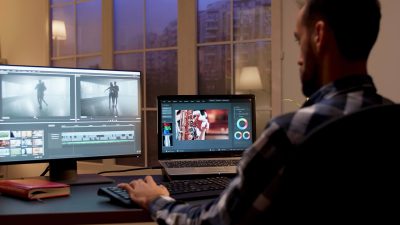
In a professional production, AI is a tool within a process full of human decisions: script, art direction, selection and composition of shots, editing, colour and sound. The clearer and better documented that creative input is, the stronger the protection of the final work as a whole.
That is why at Tanana we document the process of every project: what was written, what was directed, what was generated and with which tool.
The other rights at stake
- Tool licences: each platform’s terms determine whether you can exploit the result commercially.
- Right to one’s own image: recreating a person’s face or voice requires their consent (Spanish Organic Law 1/1982).
- Third-party rights: brands, characters or recognisable works that appear in the result.
- Music and voice-overs: licensed or commissioned, as in any production.
What to check in the contract with your production company
- Assignment of the exploitation rights to the final work (media, territory and duration).
- A guarantee that the tools used allow commercial use.
- Consent from the people whose image or voice is used.
- What happens to intermediate materials (reference images, created characters).
- Confidentiality and the use of your material to train models.
You can read our commitments on responsible use of AI.
Practical cases
A brand commissions a spot made with AI
It is reasonable for the contract to assign the brand the exploitation rights to the final piece, for the production company to guarantee that the tools allow commercial use, and for it to specify what happens to intermediate images and created characters.
A character created with AI for several campaigns
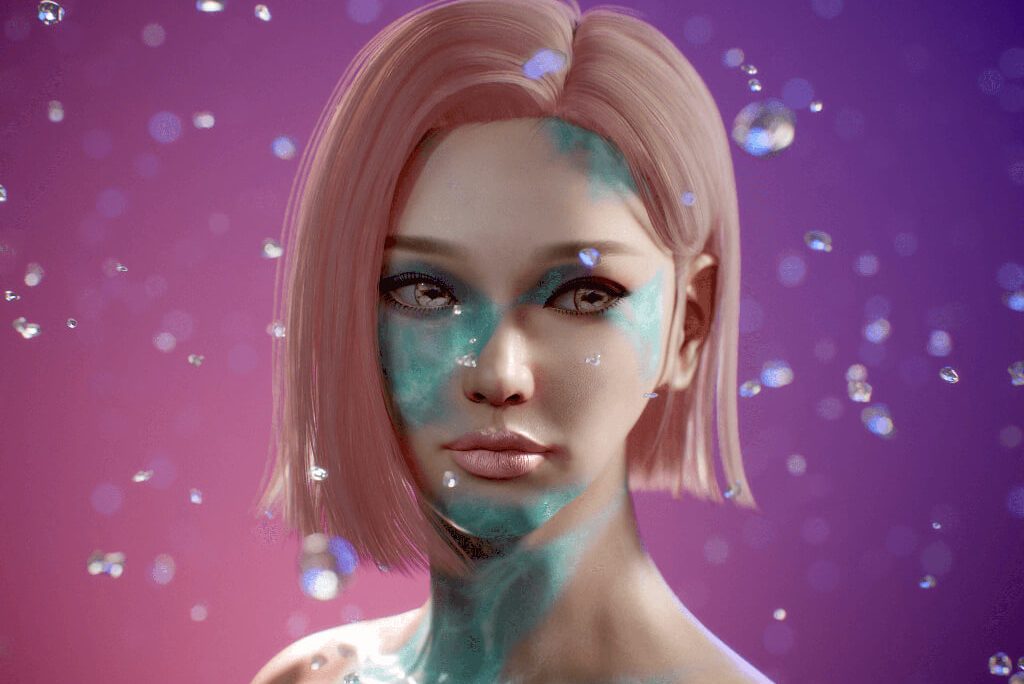
If a brand wants to use a generated character as a mascot or recurring lead, it is worth documenting its design, defining who holds the rights to it and exploring other forms of protection with an expert, such as trade mark registration.
Recreating a real person
De-ageing an actor, dubbing their voice into another language or creating their digital replica requires their express written consent, with the scope and duration of use clearly defined.
And outside Spain?
The human authorship criterion is repeated in other countries. In the United States, the Copyright Office does not register works without human authorship, and in 2025 the federal courts confirmed that criterion in Thaler v. Perlmutter. International campaigns should review the rules in each market.
Frequently asked questions
Is a video made with AI protected by copyright?
In Spain, the author must be a natural person and the work must be original. Content generated without significant human creative input is unlikely to be protected, but a piece directed, edited and post-produced by people can be protected as a work.
Can I use a commercial made with AI commercially?
Yes, if the tools used allow it, there is consent from the people who appear in it and the contract with the production company assigns you the exploitation rights.
Let’s talk about your project
Got an idea? We’ll bring it to the screen.
Tell us what you need and we’ll send you a creative proposal and a quote within 48 hours.